- Thorough Grading Process: GIA conducts a comprehensive grading process that includes an evaluation of a diamond's carat weight, color, clarity, and cut. This process ensures that the diamond you purchase is of high quality, which can justify a higher price.
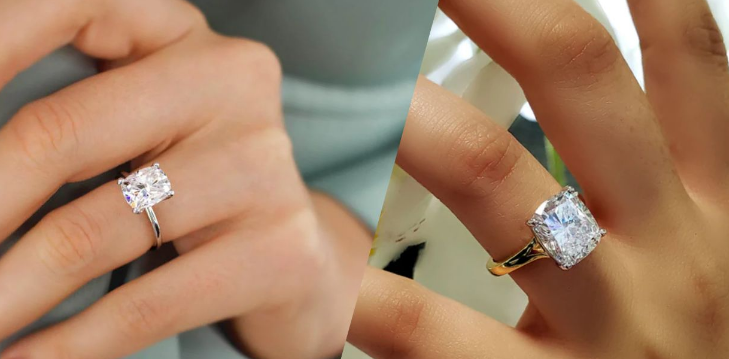
- Reputation and Trust: GIA's reputation is another reason for the higher cost of their certified diamonds. A GIA certificate is a mark of authenticity and quality assurance that increases consumer confidence, leading to a willingness to pay a premium for GIA-certified diamonds.
- Resale Value: GIA-certified diamonds typically hold their value better than non-certified or diamonds certified by less reputable organizations. This increased resale value can make GIA-certified diamonds more costly initially.
Why are GIA lab diamonds more expensive?
The world of diamonds and precious gemstones is fascinating and diverse. With the advent of technological advancements, we can now create diamonds in a lab that are virtually identical to their natural counterparts. Yet, you may have noticed that some lab diamonds, particularly those certified by the Gemological Institute of America (GIA), come with a higher price tag. So, why are GIA lab diamonds more expensive?
The Gemological Institute of America, or GIA, is one of the most prestigious and well-respected gemological organizations worldwide. GIA sets high standards for diamond grading, evaluating diamonds based on the "Four Cs" - carat weight, color, clarity, and cut.
Lab diamonds certified by GIA are typically more expensive for several reasons: